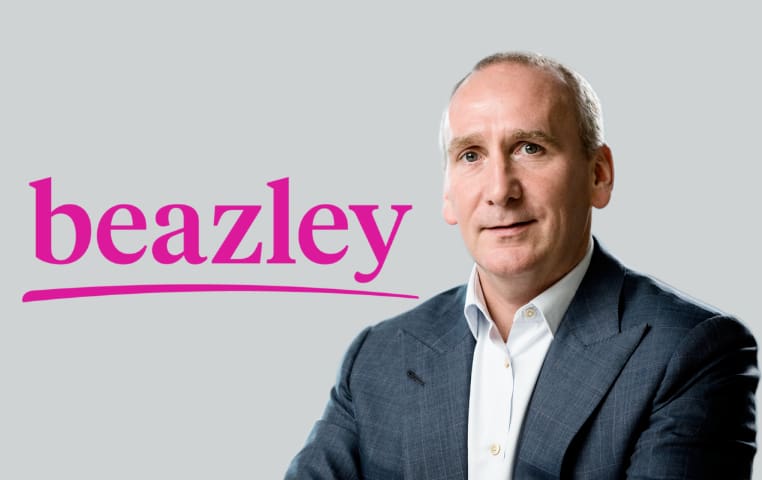

Beazley’s April 1st Reinsurance Renewal Strategy
In the midst of its April 1st reinsurance renewal period, Beazley, a renowned specialist insurer, is prioritizing rate considerations over coverage availability. Chief Executive Officer Adrian Cox has emphasized that an appropriately priced reinsurance market is beneficial for the firm. Beazley has reported a stellar performance for 2024, achieving a record profit of $1.423 billion and a combined ratio of 74.8%, despite a surge in catastrophe events in the latter half of the year.
Reinsurance Market Dynamics
During a session with analysts following the announcement of Beazley’s 2024 results, CEO Cox discussed the company’s current reinsurance renewal process. He confirmed that Beazley is set to enhance its property insurance program, and everything is progressing as planned, with no issues in renewing either the retrocession or reinsurance programs.
Cox highlighted that the key concern with reinsurance or retrocession is pricing rather than availability. He reiterated that a well-priced reinsurance market benefits the industry by maintaining insurer accountability. A market where reinsurance subsidizes insurance can foster unhealthy practices within the insurance sector.
Market Trends and Future Projections
At the start of 2024, risk-adjusted rates had decreased compared to the January 1st, 2024 renewals. However, the impact of costly events like the California wildfires on future rates remains uncertain. The years 2023 and 2024 were lucrative for reinsurers, who benefited from elevated rates and strategic program adjustments, such as increased attachment points. These changes allowed them to focus on major events like hurricanes, shifting away from frequent risks after several challenging years of unmet capital costs.
The January 2025 Los Angeles wildfires are anticipated to counterbalance any downward trend in property catastrophe reinsurance rates in upcoming renewals.
Beazley’s Strategic Approach
Beazley, which both buys and sells reinsurance, has integrated its insurance and reinsurance divisions to better manage and understand live accumulations. This integration enables agile capital allocation between different business segments, whether based in London, the U.S. Excess and Surplus (E&S) market, or within its reinsurance or binding authority businesses.
CEO Cox noted that Beazley’s reinsurance division has seen premium growth in recent years, although exposure growth has primarily occurred on the insurance side due to better long-term opportunities. The strategy involves reinsuring with companies that demonstrate resilience in catastrophic events and have a longstanding presence.